Source Inflatable Sprinkler Ring Toss Cactus for Pool, Garden, and Party
Source the inflatable sprinkler ring toss cactus from 30 verified listings. Compare customized sizes, PVC materials, and OEM options for pool games, garden fun, and party activities. Review EN71 and ASTM certifications to ensure safe, high-quality water spray toys for children.
Key considerations
Products List




Comprehensive Sourcing Guide
Inflatable Sprinkler Ring Toss Cactus Sourcing Guide
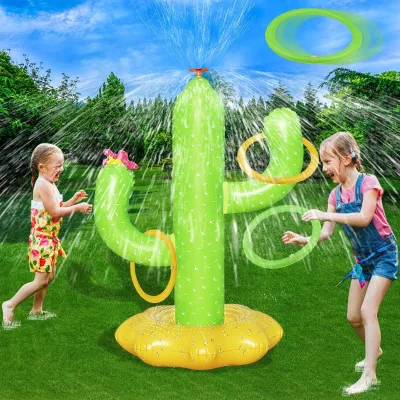
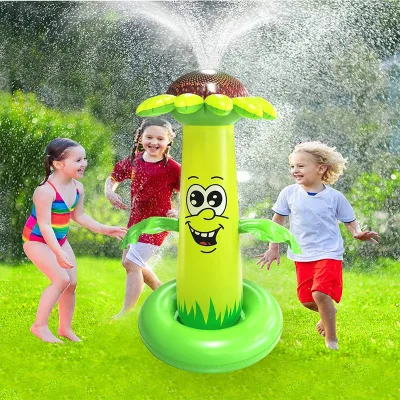
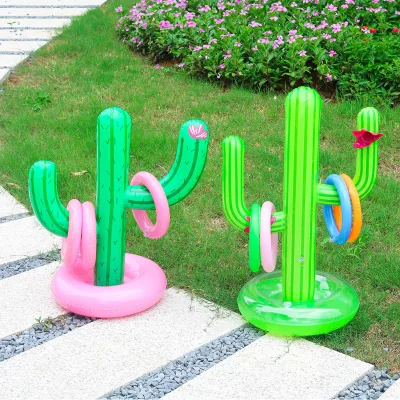
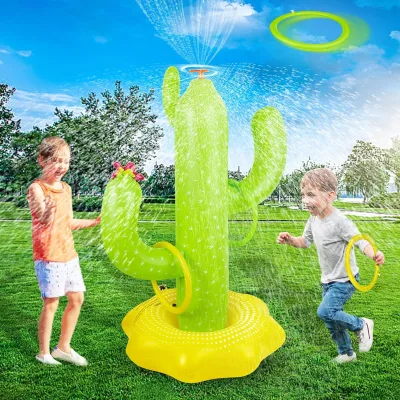
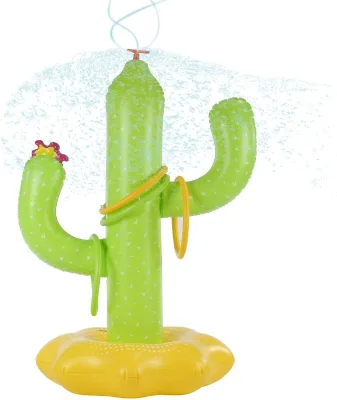
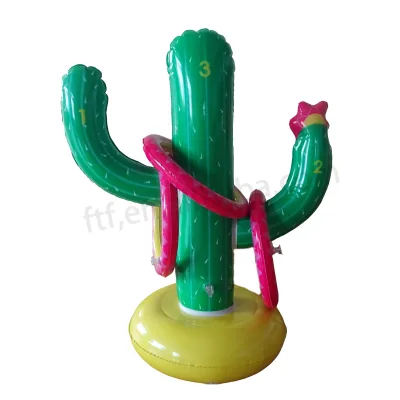
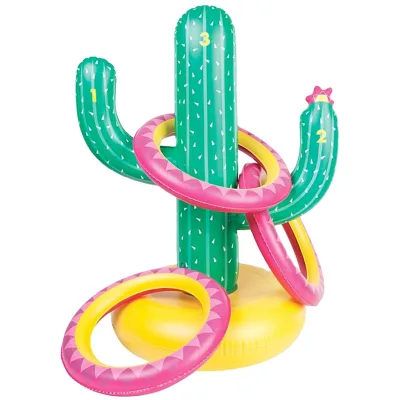
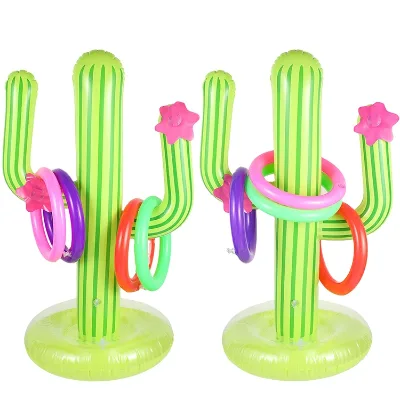
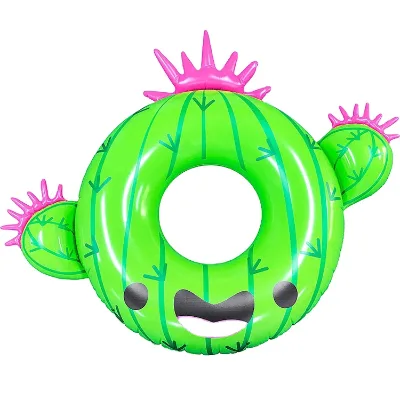
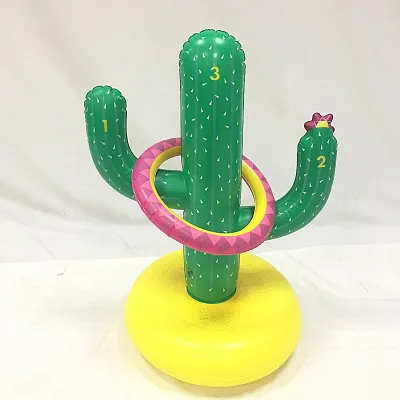
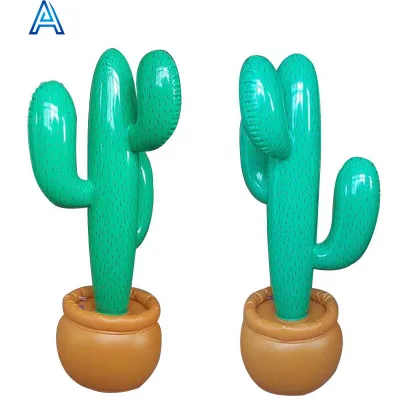
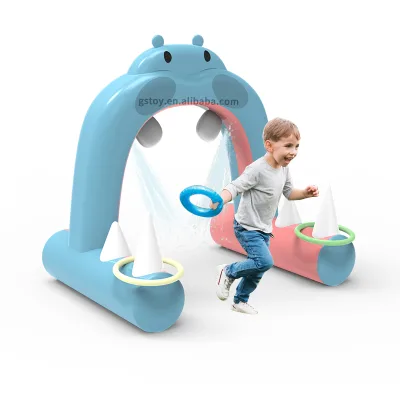
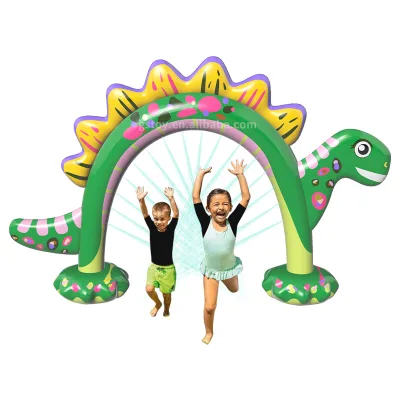
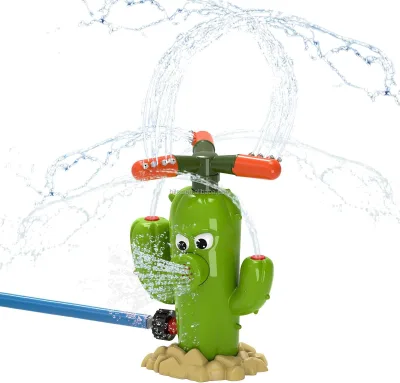
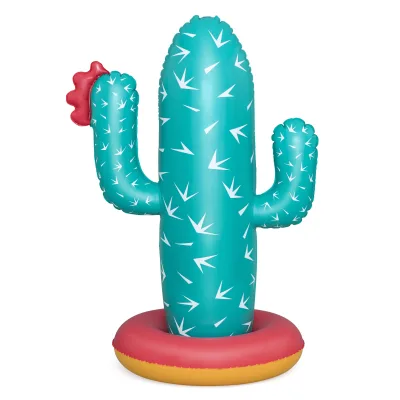
Buyers evaluating this category must first distinguish between the specific sunflower water spray models and the distinct cactus ring toss variants, as product attributes vary significantly across listings. The cactus design typically features a green solid color circle with a single cactus structure and eight rings, whereas other models may prioritize different shapes or spray mechanisms. Understanding these visual and functional differences is critical before initiating any procurement dialogue, as the target demographic and play style depend heavily on the specific inflatable geometry selected.
Procurement teams should also verify the intended application environment, as these items are primarily marketed for pool use and home occasions rather than commercial amusement parks. The observed data indicates a focus on children aged 2 to 13 years, requiring careful selection of size and durability based on the specific age group being served. Buyers must ensure the chosen model aligns with the physical space available, as the single package dimensions and inflated height can vary from compact 30cm units to larger 62cm structures depending on the customization requested.
Product Scope and Observed Listing Signals
The market for inflatable sprinkler ring toss games presents a wide range of customization options, with suppliers offering tailored sizes and logo placements to meet specific branding needs. While some listings specify a fixed height of 62cm, others allow for fully customized dimensions, requiring buyers to define their spatial constraints early in the negotiation process. The material composition is consistently noted as 0.20mm Phthalates Free PVC, ensuring a baseline safety standard for children's products, though thickness variations up to 300mm may be available for heavy-duty applications.
Commercial signals indicate a fragmented supply chain with varying minimum order quantities, ranging from small batches of 2000 pieces to larger commitments of 3000 pieces. This disparity suggests that buyers with lower volume requirements may need to consolidate orders or seek specific suppliers capable of handling smaller MOQs. Additionally, the inclusion of accessories like repair patches and kits is standard, but the specific packaging, such as color boxes, should be confirmed to ensure the product arrives in a condition suitable for retail display or direct gifting.
Technical Specifications to Verify
Technical due diligence must focus on the precise thickness and weight specifications, as these factors directly influence the product's durability and shipping costs. While some data points list a single gross weight of 0.690 kg, others indicate a lighter 0.140 kg or 0.5 kg, suggesting significant variance in material density or package contents. Buyers should explicitly request the exact thickness of the PVC material for their specific order, as the observed range of 20-300mm implies that standard retail units may differ substantially from commercial-grade inflatables designed for high-traffic environments.
The power supply mechanism is another critical technical parameter, with the observed listings confirming a manual operation method for these water spray games. Unlike motorized inflatables, these units rely on water pressure to function, meaning the water source connection and hose compatibility must be verified against the buyer's infrastructure. Furthermore, the allowable passenger capacity is listed as fewer than five users, and the maximum capacity is noted between 100-500kg, necessitating a clear understanding of the intended user load to prevent structural failure during active play.
Compliance and Safety Documentation
Safety compliance is paramount for inflatable toys intended for children, and buyers must verify that suppliers provide valid testing reports and certification documents before finalizing any purchase. The observed listings reference specific standards such as EN71-2-3 and CE & ASTM, which are essential for market entry in Europe and North America respectively. However, the presence of these certifications in a listing does not guarantee they apply to the specific batch ordered, so buyers should request the actual test reports linked to the production run to ensure regulatory adherence.
Beyond standard certifications, the material safety profile requires close scrutiny, particularly regarding the phthalate-free claim found in the product descriptions. Buyers should demand a material safety data sheet (MSDS) or a specific chemical compliance report to confirm that the PVC used is free from harmful plasticizers, especially given the product's direct contact with water and children's skin. Additionally, the inclusion of a repair patch in the package is a positive indicator of after-sales support, but the quality and compatibility of these patches with the main inflatable material should be validated to ensure effective field repairs.
Cost Drivers and Commercial Terms
Cost structures for these inflatables are heavily influenced by the customization level, with logo printing and unique size requirements often driving up the unit price. The observed price range spans from $0.51 to $888, a vast disparity that reflects differences in material thickness, packaging complexity, and order volume. Buyers must clarify whether the quoted price includes the cost of the repair kits and color box packaging, as these accessories add to the overall landed cost and can vary significantly between suppliers offering OEM services.
Lead times and payment terms are equally critical commercial factors, with delivery windows typically ranging from 20 to 45 days after the pre-production sample is approved. This timeline suggests that buyers should plan their inventory cycles well in advance to avoid stockouts during peak summer seasons. Furthermore, the sample time of 2-4 days allows for rapid prototyping, but the cost of these samples and the shipping fees should be negotiated upfront, as they can impact the total cost of ownership if multiple iterations are required to meet design specifications.
Supplier Qualification and Quality Control
Supplier qualification should prioritize manufacturers with a proven track record in OEM and ODM services, as the ability to customize logos and shapes is a primary driver of value in this category. The observed data confirms that many suppliers accept logo graphic design and offer customized branding, but buyers must assess the supplier's capacity to maintain consistency across large production runs. Verifying the supplier's location, such as those based in Zhejiang, China, can provide insights into their logistical capabilities and familiarity with international shipping standards for heavy or bulky items.
Quality control protocols must be established before production begins, focusing on the integrity of the PVC material and the sealing of the inflatable seams. Buyers should request a pre-shipment inspection report that specifically checks for air leaks, material defects, and the accuracy of the printed logos. Given the manual power supply and water-based operation, functional testing of the water spray mechanism is also essential to ensure the product performs as advertised before it leaves the factory, preventing costly returns or customer dissatisfaction upon arrival.
Long-Term Procurement Checks
Sustainable procurement practices require ongoing monitoring of supplier performance, particularly regarding the consistency of material quality and adherence to safety standards over time. Buyers should establish a system for periodic re-verification of certifications, as regulatory requirements can change and suppliers may update their production processes without immediate notification. Maintaining a relationship with a supplier who offers responsive after-sales support, including the provision of repair kits and technical guidance, is essential for managing the lifecycle of these seasonal products.
Finally, buyers must plan for the end-of-life management of these PVC inflatables, considering the environmental impact of disposing of or recycling the material. While the products are designed for repeated use, the eventual degradation of the PVC requires a strategy for responsible disposal or potential recycling partnerships. Regularly reviewing the product's performance in the field and gathering feedback from end-users will help refine future specifications, ensuring that subsequent orders better meet the durability and safety expectations of the target market.
FAQs
What is the MOQ for inflatable sprinkler ring toss cactus products?
The minimum order quantity is typically 2000 to 3000 pieces. Buyers should confirm the exact requirement with the supplier, as it may vary based on customization needs. This standard MOQ ensures efficient production runs for these PVC inflatable toys.
Can I customize the logo on the inflatable cactus ring toss?
Yes, customized logos are accepted for these inflatable toys. Suppliers offer OEM and ODM services to accommodate specific branding requirements. Buyers can provide their graphic designs to be printed on the multi-color PVC surface of the product.
What certifications do these inflatable ring toss games have?
These products typically hold EN71-2-3 and CE & ASTM certifications. A testing report is also provided to verify safety standards. These credentials ensure the PVC inflatable toys meet international safety requirements for children's play equipment.
How long is the delivery time for these inflatable toys?
The delivery time is generally 20 to 45 days after the pre-production sample is approved. This timeframe allows for manufacturing and quality checks. Buyers should plan their inventory accordingly to account for this production lead time.
What material is used for the inflatable cactus ring toss?
The product is made from 0.20mm phthalates-free PVC material. This durable yet flexible material ensures safety for children aged 2 to 13 years. The material is suitable for outdoor use in pools or home gardens.
Where are these inflatable ring toss games manufactured?
These products are manufactured in Zhejiang, China. This region is known for its robust manufacturing capabilities for inflatable toys. Buyers can source directly from factories in this location to ensure quality and competitive pricing.